
Message From the Pastor
Message From the Pastor
Dear Parish Family,
Imagine being among the people listening to Jesus and hearing Him say: “Tax collectors and prostitutes are entering the Kingdom of God before you.” That must have been shocking—perhaps even offensive—to those who considered themselves faithful and respectable. Jesus deliberately turns their expectations upside down.
In today’s Gospel, Matthew 21:28-32, Jesus is not praising sin. He is revealing something deeper about faith: God looks at the heart, and repentance can change everything. Those whom others had judged as sinners heard the message of John the Baptist, believed, and changed their lives. Others heard the same message but refused to believe.
This Gospel also reminds us to be very careful about judging other people. We see only what is on the outside. God sees the whole person. He knows the human heart, the struggles we carry, the wounds we have received, the choices we have made, and the sincere desire we may have to begin again. Judgment ultimately belongs to God.
Our task is not to decide who is worthy of God's mercy. Our task is to open our own hearts to His mercy and to help others discover that mercy too. Every person can repent. Every person can return to God. Every person needs grace.
Let us therefore look at others with humility and compassion, and let us also examine our own hearts. May we have the courage to say “yes” to God—not only with our words, but with our lives.
Thank you for your faithful presence, your prayers, your generosity, and for the many ways you help build our parish family. Please know that I remember you and your loved ones in my prayers every day.
May the Lord bless you and your families abundantly, and may our Blessed Mother wrap you in her loving care and lead you always closer to her Son, Jesus Christ.
Fr. Michael
Dear Parish Family,
Imagine being among the people listening to Jesus and hearing Him say: “Tax collectors and prostitutes are entering the Kingdom of God before you.” That must have been shocking—perhaps even offensive—to those who considered themselves faithful and respectable. Jesus deliberately turns their expectations upside down.
In today’s Gospel, Matthew 21:28-32, Jesus is not praising sin. He is revealing something deeper about faith: God looks at the heart, and repentance can change everything. Those whom others had judged as sinners heard the message of John the Baptist, believed, and changed their lives. Others heard the same message but refused to believe.
This Gospel also reminds us to be very careful about judging other people. We see only what is on the outside. God sees the whole person. He knows the human heart, the struggles we carry, the wounds we have received, the choices we have made, and the sincere desire we may have to begin again. Judgment ultimately belongs to God.
Our task is not to decide who is worthy of God's mercy. Our task is to open our own hearts to His mercy and to help others discover that mercy too. Every person can repent. Every person can return to God. Every person needs grace.
Let us therefore look at others with humility and compassion, and let us also examine our own hearts. May we have the courage to say “yes” to God—not only with our words, but with our lives.
Thank you for your faithful presence, your prayers, your generosity, and for the many ways you help build our parish family. Please know that I remember you and your loved ones in my prayers every day.
May the Lord bless you and your families abundantly, and may our Blessed Mother wrap you in her loving care and lead you always closer to her Son, Jesus Christ.
Fr. Michael
Catechesis on the Eucharist
What Is the Mass?
Today we begin a new catechesis on one of the greatest mysteries and treasures of our Catholic faith: the Holy Eucharist. During the coming weeks, we will learn how to prepare ourselves for Mass, how to participate actively and prayerfully, and why the Church celebrates the Mass in the way she does. We will learn about the different people who serve at Mass, the meaning of the sacred vessels and vestments, the prayers and gestures, and the different parts of the liturgy.
Later in our catechesis, we will go through the Mass step by step and explain what is happening at each moment. But before we can understand all these details, we must begin with the most important question:
What is the Mass?
The Mass is not simply a gathering of Catholics. It is not merely a time to hear readings, sing hymns, listen to a homily, and receive Communion. The Mass is the Eucharistic sacrifice of Jesus Christ. At Mass, the one sacrifice of Christ on Calvary is made present sacramentally. Jesus does not die again. His sacrifice on the Cross happened once, for all time. But through the sacred liturgy, the Church is brought into the mystery of that one sacrifice.
The Second Vatican Council teaches that Christ is truly present in the liturgy: in the person of the minister, in His word proclaimed in the Scriptures, and especially under the Eucharistic species. The Council also teaches that the liturgy is the “summit toward which the activity of the Church is directed” and the “source” from which the Church receives her strength. In other words, the Mass is at the center of Catholic life. The Eucharist comes from Christ and was not invented by the apostles or by later generations of Christians. At the Last Supper, Jesus took bread and said: “This is my body.” Then He took the chalice and said: “This is my blood.” He commanded the apostles: “Do this in memory of me.” The Church has continued to obey this command from the time of the apostles until today.
St. Paul already speaks about the Eucharist in the New Testament. Writing to the Corinthians, he says that the cup is a participation in the Blood of Christ and the bread is a participation in the Body of Christ. Jesus Himself teaches the necessity of the Eucharist in the sixth chapter of John's Gospel. He says: “My flesh is true food, and my blood is true drink.”
The Catholic Church has always understood these words literally and sacramentally not as ordinary bread and ordinary wine, and not merely as symbols.
What happens at the consecration?
This is one of the most important things we need to understand. At the moment of consecration, the priest, acting in the person of Christ, speaks the words of Jesus over the bread and wine. The substance of the bread becomes the substance of Christ's Body. The substance of the wine becomes the substance of Christ's Blood. The appearances remain those of bread and wine. The Church calls this extraordinary change transubstantiation. Therefore, the Eucharist is truly Jesus Christ.
We do not believe that Jesus is present only spiritually. We do not believe that the Eucharist is merely a symbol reminding us of Jesus. We believe that Christ is truly, really, and substantially present. And because the risen Christ can no longer be divided, He is present under each species—Body, Blood, Soul, and Divinity. Therefore, when we receive the consecrated Host, we receive Jesus Christ: Body, Blood, Soul, and Divinity. This was the faith of the early Church This teaching is not something Catholics invented in the Middle Ages.
The early Christians believed in the Real Presence. Around the beginning of the second century, St. Ignatius of Antioch wrote about Christians who rejected the Eucharist because they did not believe it was the flesh of Jesus Christ. His writings show that belief in the Eucharist as truly Christ's flesh was already present among Christians very early in Church history.
In the second century, St. Justin Martyr explained to the Roman emperor that Christians did not receive the Eucharist as ordinary bread and ordinary drink. He explained that, through the prayer of thanksgiving and the words of Christ, the Eucharist was understood as the flesh and blood of Jesus.
In the fourth century, St. Cyril of Jerusalem taught newly baptized Christians that they should not judge the Eucharist according merely to their senses. Although it looks like bread and wine, faith teaches us that Christ is truly present. The Church Fathers therefore give us an important lesson: What we see with our eyes is bread and wine; what faith tells us is that Christ Himself is truly present.
Why does the Eucharist still look like bread and wine?
Someone might ask: “If Jesus is really there, why does the Host still look like bread?” Because the Eucharistic miracle is not normally a change in appearance. It is a change in substance. Think of the difference between what something looks like and what it is. After consecration, the outward appearances remain. But the reality beneath those appearances has changed. This is why our Catholic faith requires us to approach the Eucharist with faith and reverence. We are not worshiping bread. We are worshiping Jesus Christ, who is truly present under the appearance of bread and wine.
The Mass is the sacrifice of Christ. When we hear the word “sacrifice,” we should think especially of the Cross. At Calvary, Jesus offered Himself to the Father for the salvation of the world. The Mass does not repeat Calvary. Instead, the one sacrifice of Christ is made sacramentally present. This is why the Mass is so sacred. We are not simply watching something happen. We are called to unite ourselves with Christ. When the priest offers the Eucharistic sacrifice, the whole Church is gathered into Christ's offering. This should change the way we attend Mass. We should not come simply to “get something out of Mass.” We come to worship God. We come to hear His Word. We come to offer ourselves to Him together with Christ. And we come to receive Christ in Holy Communion when we are properly disposed.
Active participation
The Second Vatican Council spoke about the importance of the faithful participating “fully, consciously, and actively” in the liturgy. Active participation does not simply mean doing something publicly. A person can sing, read, or serve at the altar while being distracted internally. Likewise, a person sitting quietly in prayer may be deeply participating in the Mass. True participation means that our mind, heart, body, and soul are united with what the Church is celebrating. We listen to the readings. We respond to the prayers. We sing when appropriate. We kneel and stand according to the liturgy. We pray. Most importantly, we unite ourselves to Christ's offering.
The two great parts of the Mass
The Mass has two principal parts: the Liturgy of the Word and the Liturgy of the Eucharist. They belong together and form one act of worship. First, God speaks to His people through Sacred Scripture. Then we enter more deeply into the Eucharistic mystery. The Word prepares us for the Eucharist, and the Eucharist fulfills and nourishes what we have heard. This is why we should never think of the readings as merely something that happens before the “real Mass.” The entire liturgy is one act of worship.
Preparing for Mass
Because the Eucharist is truly Jesus Christ, our preparation matters. We should prepare ourselves before coming to Mass. We should arrive with enough time to become recollected. We should dress appropriately for the sacred liturgy. We should silence distractions. We should examine our conscience. And if we are conscious of having committed a mortal sin, we should receive the Sacrament of Reconciliation before receiving Holy Communion. The Church teaches that those who receive the Eucharist should be properly disposed and should not knowingly receive Communion in a state of mortal sin. The Eucharist is not something ordinary. We are approaching the King of Heaven.
What should we remember from today's lesson? If you remember only a few things from our first catechesis, remember these: First: The Mass is the Eucharistic sacrifice of Jesus Christ. Second: The Mass makes present sacramentally the one sacrifice of Christ on the Cross. Third: At the consecration, the bread and wine become the Body and Blood of Christ through transubstantiation. Fourth: Jesus Christ is truly present in the Eucharist—Body, Blood, Soul, and Divinity. Fifth: This faith is not a medieval invention. It was already taught and believed by the early Christians and the Fathers of the Church. And finally: When we come to Mass, we are coming to encounter Jesus Christ. We should therefore never treat Mass as something routine or ordinary.
In the weeks that follow, we will gradually go deeper until we can walk through the entire Mass together—from the moment we enter the church until the final blessing and dismissal—understanding what the Church is doing, what the priest is doing, what the people are doing, and, most importantly, what Christ is doing.
For today, let us leave with one central truth: The Eucharist is Jesus Christ Himself, truly present—Body, Blood, Soul, and Divinity. And the Mass is the great sacrifice of praise in which Christ gathers His Church and makes present His one saving sacrifice. That is why we come to Mass. That is why we kneel before the Blessed Sacrament. That is why we receive Holy Communion with reverence. And that is why the Eucharist truly is the heart and summit of the Christian life.
Next week, we will look at some extraordinary Eucharistic miracles reported throughout the history of the Church, including the remarkable cases of Sokółka and Legnica in Poland. We will ask an important question: Why would God allow a Eucharistic miracle to happen? And we will learn an equally important lesson: The Eucharistic miracle is not the foundation of our faith. The Eucharist itself is the miracle.
What Is the Mass?
Today we begin a new catechesis on one of the greatest mysteries and treasures of our Catholic faith: the Holy Eucharist. During the coming weeks, we will learn how to prepare ourselves for Mass, how to participate actively and prayerfully, and why the Church celebrates the Mass in the way she does. We will learn about the different people who serve at Mass, the meaning of the sacred vessels and vestments, the prayers and gestures, and the different parts of the liturgy.
Later in our catechesis, we will go through the Mass step by step and explain what is happening at each moment. But before we can understand all these details, we must begin with the most important question:
What is the Mass?
The Mass is not simply a gathering of Catholics. It is not merely a time to hear readings, sing hymns, listen to a homily, and receive Communion. The Mass is the Eucharistic sacrifice of Jesus Christ. At Mass, the one sacrifice of Christ on Calvary is made present sacramentally. Jesus does not die again. His sacrifice on the Cross happened once, for all time. But through the sacred liturgy, the Church is brought into the mystery of that one sacrifice.
The Second Vatican Council teaches that Christ is truly present in the liturgy: in the person of the minister, in His word proclaimed in the Scriptures, and especially under the Eucharistic species. The Council also teaches that the liturgy is the “summit toward which the activity of the Church is directed” and the “source” from which the Church receives her strength. In other words, the Mass is at the center of Catholic life. The Eucharist comes from Christ and was not invented by the apostles or by later generations of Christians. At the Last Supper, Jesus took bread and said: “This is my body.” Then He took the chalice and said: “This is my blood.” He commanded the apostles: “Do this in memory of me.” The Church has continued to obey this command from the time of the apostles until today.
St. Paul already speaks about the Eucharist in the New Testament. Writing to the Corinthians, he says that the cup is a participation in the Blood of Christ and the bread is a participation in the Body of Christ. Jesus Himself teaches the necessity of the Eucharist in the sixth chapter of John's Gospel. He says: “My flesh is true food, and my blood is true drink.”
The Catholic Church has always understood these words literally and sacramentally not as ordinary bread and ordinary wine, and not merely as symbols.
What happens at the consecration?
This is one of the most important things we need to understand. At the moment of consecration, the priest, acting in the person of Christ, speaks the words of Jesus over the bread and wine. The substance of the bread becomes the substance of Christ's Body. The substance of the wine becomes the substance of Christ's Blood. The appearances remain those of bread and wine. The Church calls this extraordinary change transubstantiation. Therefore, the Eucharist is truly Jesus Christ.
We do not believe that Jesus is present only spiritually. We do not believe that the Eucharist is merely a symbol reminding us of Jesus. We believe that Christ is truly, really, and substantially present. And because the risen Christ can no longer be divided, He is present under each species—Body, Blood, Soul, and Divinity. Therefore, when we receive the consecrated Host, we receive Jesus Christ: Body, Blood, Soul, and Divinity. This was the faith of the early Church This teaching is not something Catholics invented in the Middle Ages.
The early Christians believed in the Real Presence. Around the beginning of the second century, St. Ignatius of Antioch wrote about Christians who rejected the Eucharist because they did not believe it was the flesh of Jesus Christ. His writings show that belief in the Eucharist as truly Christ's flesh was already present among Christians very early in Church history.
In the second century, St. Justin Martyr explained to the Roman emperor that Christians did not receive the Eucharist as ordinary bread and ordinary drink. He explained that, through the prayer of thanksgiving and the words of Christ, the Eucharist was understood as the flesh and blood of Jesus.
In the fourth century, St. Cyril of Jerusalem taught newly baptized Christians that they should not judge the Eucharist according merely to their senses. Although it looks like bread and wine, faith teaches us that Christ is truly present. The Church Fathers therefore give us an important lesson: What we see with our eyes is bread and wine; what faith tells us is that Christ Himself is truly present.
Why does the Eucharist still look like bread and wine?
Someone might ask: “If Jesus is really there, why does the Host still look like bread?” Because the Eucharistic miracle is not normally a change in appearance. It is a change in substance. Think of the difference between what something looks like and what it is. After consecration, the outward appearances remain. But the reality beneath those appearances has changed. This is why our Catholic faith requires us to approach the Eucharist with faith and reverence. We are not worshiping bread. We are worshiping Jesus Christ, who is truly present under the appearance of bread and wine.
The Mass is the sacrifice of Christ. When we hear the word “sacrifice,” we should think especially of the Cross. At Calvary, Jesus offered Himself to the Father for the salvation of the world. The Mass does not repeat Calvary. Instead, the one sacrifice of Christ is made sacramentally present. This is why the Mass is so sacred. We are not simply watching something happen. We are called to unite ourselves with Christ. When the priest offers the Eucharistic sacrifice, the whole Church is gathered into Christ's offering. This should change the way we attend Mass. We should not come simply to “get something out of Mass.” We come to worship God. We come to hear His Word. We come to offer ourselves to Him together with Christ. And we come to receive Christ in Holy Communion when we are properly disposed.
Active participation
The Second Vatican Council spoke about the importance of the faithful participating “fully, consciously, and actively” in the liturgy. Active participation does not simply mean doing something publicly. A person can sing, read, or serve at the altar while being distracted internally. Likewise, a person sitting quietly in prayer may be deeply participating in the Mass. True participation means that our mind, heart, body, and soul are united with what the Church is celebrating. We listen to the readings. We respond to the prayers. We sing when appropriate. We kneel and stand according to the liturgy. We pray. Most importantly, we unite ourselves to Christ's offering.
The two great parts of the Mass
The Mass has two principal parts: the Liturgy of the Word and the Liturgy of the Eucharist. They belong together and form one act of worship. First, God speaks to His people through Sacred Scripture. Then we enter more deeply into the Eucharistic mystery. The Word prepares us for the Eucharist, and the Eucharist fulfills and nourishes what we have heard. This is why we should never think of the readings as merely something that happens before the “real Mass.” The entire liturgy is one act of worship.
Preparing for Mass
Because the Eucharist is truly Jesus Christ, our preparation matters. We should prepare ourselves before coming to Mass. We should arrive with enough time to become recollected. We should dress appropriately for the sacred liturgy. We should silence distractions. We should examine our conscience. And if we are conscious of having committed a mortal sin, we should receive the Sacrament of Reconciliation before receiving Holy Communion. The Church teaches that those who receive the Eucharist should be properly disposed and should not knowingly receive Communion in a state of mortal sin. The Eucharist is not something ordinary. We are approaching the King of Heaven.
What should we remember from today's lesson? If you remember only a few things from our first catechesis, remember these: First: The Mass is the Eucharistic sacrifice of Jesus Christ. Second: The Mass makes present sacramentally the one sacrifice of Christ on the Cross. Third: At the consecration, the bread and wine become the Body and Blood of Christ through transubstantiation. Fourth: Jesus Christ is truly present in the Eucharist—Body, Blood, Soul, and Divinity. Fifth: This faith is not a medieval invention. It was already taught and believed by the early Christians and the Fathers of the Church. And finally: When we come to Mass, we are coming to encounter Jesus Christ. We should therefore never treat Mass as something routine or ordinary.
In the weeks that follow, we will gradually go deeper until we can walk through the entire Mass together—from the moment we enter the church until the final blessing and dismissal—understanding what the Church is doing, what the priest is doing, what the people are doing, and, most importantly, what Christ is doing.
For today, let us leave with one central truth: The Eucharist is Jesus Christ Himself, truly present—Body, Blood, Soul, and Divinity. And the Mass is the great sacrifice of praise in which Christ gathers His Church and makes present His one saving sacrifice. That is why we come to Mass. That is why we kneel before the Blessed Sacrament. That is why we receive Holy Communion with reverence. And that is why the Eucharist truly is the heart and summit of the Christian life.
Next week, we will look at some extraordinary Eucharistic miracles reported throughout the history of the Church, including the remarkable cases of Sokółka and Legnica in Poland. We will ask an important question: Why would God allow a Eucharistic miracle to happen? And we will learn an equally important lesson: The Eucharistic miracle is not the foundation of our faith. The Eucharist itself is the miracle.
All Souls Novena
The All Souls Novena will be from Saturday, October 24th-Sunday, November 1st.
Please have your envelopes with the names of your deceased loved ones in by Monday, October 19th to be included in the All Souls Novena List. This is a great way to have nine masses said for your deceased family members and friends.
The All Souls Novena will be from Saturday, October 24th-Sunday, November 1st.
Please have your envelopes with the names of your deceased loved ones in by Monday, October 19th to be included in the All Souls Novena List. This is a great way to have nine masses said for your deceased family members and friends.
St. Christopher’s Women’s Club
Melissa Olson would like to invite all interested women to a brief meeting of the Women’s Club on Tuesday, September 29 at 6:00 pm. We will meet in the Rectory Conference Roomto discuss four projects we will be undertaking in the upcoming months. Looking forward to meeting new members in the name of fellowship and the support of our Parish, our school and our local community!
Melissa Olson would like to invite all interested women to a brief meeting of the Women’s Club on Tuesday, September 29 at 6:00 pm. We will meet in the Rectory Conference Roomto discuss four projects we will be undertaking in the upcoming months. Looking forward to meeting new members in the name of fellowship and the support of our Parish, our school and our local community!
Exciting News for Our Parish!
We have some exciting news to share! Three churches in our diocese will soon be elevated to the rank of shrine, and our parish will become the Shrine of Divine Mercy.
The Holy See has also granted a special plenary indulgence for those who fulfill the usual conditions. This is a great blessing and a wonderful opportunity for us to grow in faith and in devotion to Divine Mercy.
As a shrine, we will also have more opportunities for Eucharistic Adoration and Confession.
More details will be coming soon. Please watch our bulletin for additional information
We have some exciting news to share! Three churches in our diocese will soon be elevated to the rank of shrine, and our parish will become the Shrine of Divine Mercy.
The Holy See has also granted a special plenary indulgence for those who fulfill the usual conditions. This is a great blessing and a wonderful opportunity for us to grow in faith and in devotion to Divine Mercy.
As a shrine, we will also have more opportunities for Eucharistic Adoration and Confession.
More details will be coming soon. Please watch our bulletin for additional information
We Welcome Your Suggestions!
There is a suggestion box in the church vestibule. We welcome your kindly worded suggestions and ideas to help our parish grow. You may also leave your suggestion anonymously.
Thank you for helping us build a stronger and more welcoming parish community!
There is a suggestion box in the church vestibule. We welcome your kindly worded suggestions and ideas to help our parish grow. You may also leave your suggestion anonymously.
Thank you for helping us build a stronger and more welcoming parish community!
New Church Sound System
As we mentioned a few weeks ago, our current sound system needs to be replaced and upgraded to better serve the needs of parishioners who use hearing aids. We have already received our first estimate and are still waiting for another proposal.
The total cost of the project is expected to be between $30,000 and $35,000.
Some of you have already received special envelopes for donations. Additional envelopes are available in the pews and at the back of the church. We kindly ask you to prayerfully consider making a donation toward this important project, according to your means.
We hope to have the new sound system installed by November.
Thank you for your understanding, generosity, and support.
As we mentioned a few weeks ago, our current sound system needs to be replaced and upgraded to better serve the needs of parishioners who use hearing aids. We have already received our first estimate and are still waiting for another proposal.
The total cost of the project is expected to be between $30,000 and $35,000.
Some of you have already received special envelopes for donations. Additional envelopes are available in the pews and at the back of the church. We kindly ask you to prayerfully consider making a donation toward this important project, according to your means.
We hope to have the new sound system installed by November.
Thank you for your understanding, generosity, and support.
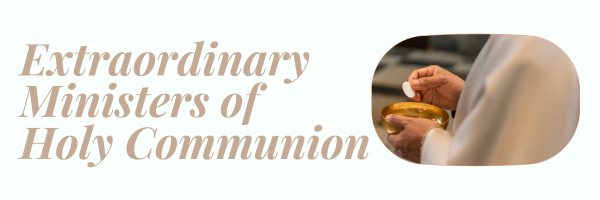
Mandatory Meeting for Extraordinary Ministers of Holy Communion
A reminder to all Extraordinary Ministers of Holy Communion: there will be a mandatory one-hour meeting on either October 7 or October 14 at 6:30 p.m. in St. Albert’s Room. You may attend whichever date works best for you.
Please remember that all Extraordinary Ministers of Holy Communion must be officially commissioned by the Diocese. Commissioning is required because serving as an Extraordinary Minister of Holy Communion is an official ministry of the Church. The Diocese must approve and authorize those who serve in this ministry. The commissioning is valid for two years and must be renewed every two years. Our parish needs to renew the commissioning this year.
If you cannot attend either meeting, please let Fr. Michal know in advance. He will arrange another opportunity for you to complete what is required for commissioning.
After the meetings, Fr. Michal will submit the names of those who wish to continue serving the Diocese for commissioning. If you do not attend a meeting and do not contact Fr. Michal, we will understand that you do not wish to continue serving in this ministry.
Please understand that without diocesan commissioning, you cannot serve as an Extraordinary Minister of Holy Communion. This is not simply a parish requirement; diocesan commissioning is required for you to exercise this ministry.
If you would like to join this ministry, please contact the parish office or Fr. Michal.
Thank you for your faithful service, generosity, and dedication to our parish and to the Eucharistic ministry.
A reminder to all Extraordinary Ministers of Holy Communion: there will be a mandatory one-hour meeting on either October 7 or October 14 at 6:30 p.m. in St. Albert’s Room. You may attend whichever date works best for you.
Please remember that all Extraordinary Ministers of Holy Communion must be officially commissioned by the Diocese. Commissioning is required because serving as an Extraordinary Minister of Holy Communion is an official ministry of the Church. The Diocese must approve and authorize those who serve in this ministry. The commissioning is valid for two years and must be renewed every two years. Our parish needs to renew the commissioning this year.
If you cannot attend either meeting, please let Fr. Michal know in advance. He will arrange another opportunity for you to complete what is required for commissioning.
After the meetings, Fr. Michal will submit the names of those who wish to continue serving the Diocese for commissioning. If you do not attend a meeting and do not contact Fr. Michal, we will understand that you do not wish to continue serving in this ministry.
Please understand that without diocesan commissioning, you cannot serve as an Extraordinary Minister of Holy Communion. This is not simply a parish requirement; diocesan commissioning is required for you to exercise this ministry.
If you would like to join this ministry, please contact the parish office or Fr. Michal.
Thank you for your faithful service, generosity, and dedication to our parish and to the Eucharistic ministry.
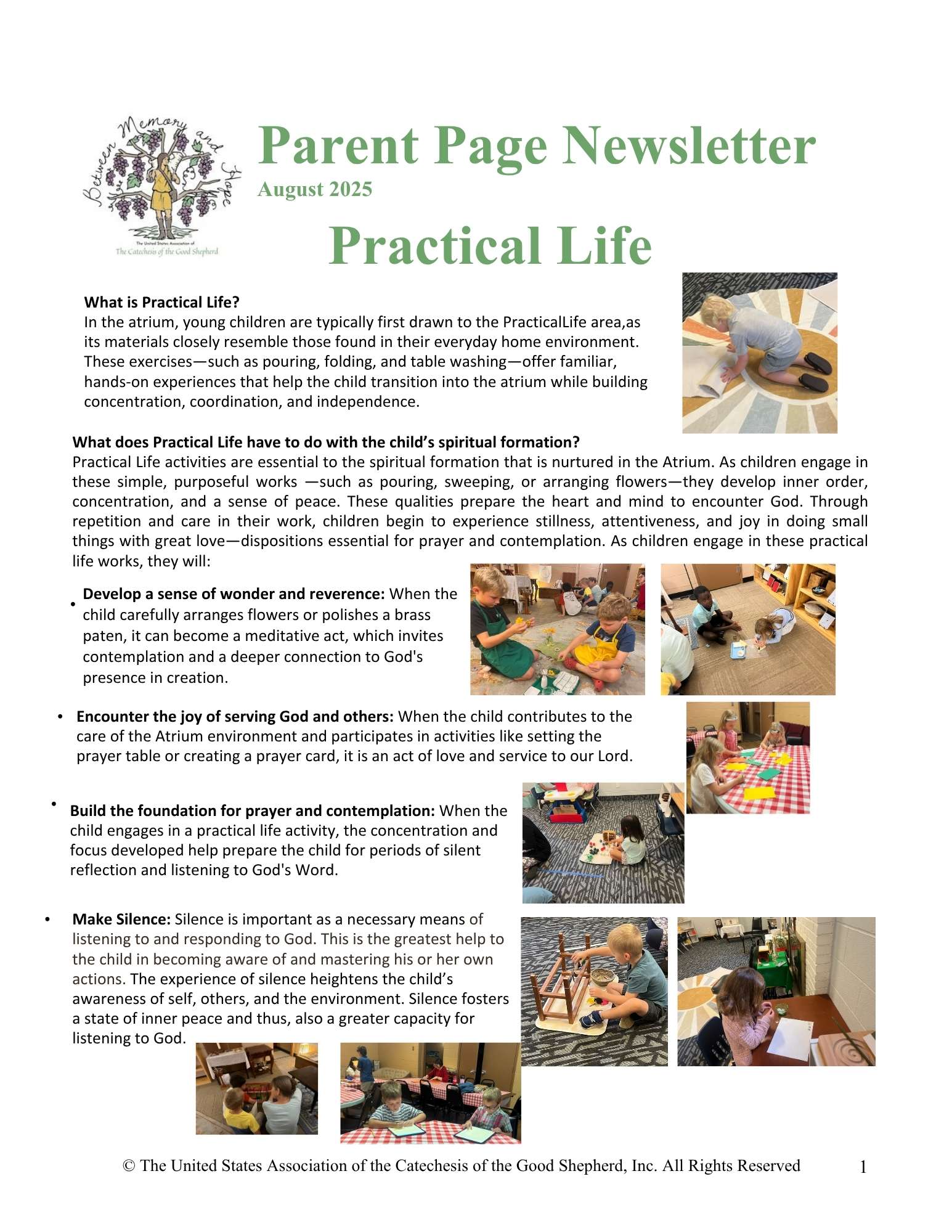
NEW MEMBERS – All are welcome and encouraged to join St. Christopher Parish especially if you have already been attending Mass! Fill out a New Member Registration form at https://saintchristophercc.com/parish-registration.
MARRIAGE – Congratulations on your upcoming marriage! To celebrate your wedding at St. Christopher, please ensure you meet the following requirements:
Parish Registration: You must be a registered parishioner for at least six months before your wedding date.
Marriage Prep: Completion of a marriage preparation program is required.
Request Form: Complete the online Marriage Request Form at saintchristophercc.com/marriage at least six months prior to your wedding
BAPTISMS – You must be a registered parishioner for at least six months prior to the Baptism. A Baptism preparation class is required. Contact the parish office.
LETTERS OF GOOD STANDING – You must be a registered parishioner for at least six months to receive a “Letter of Good Standing” which is required to be a Godparent/Sponsor. Contact the parish office.